
Your neighbour’s garden looks like something straight out of a magazine. Yours? Not quite. The frustrating part is that you’ve spent roughly the same amount of money, possibly even more, yet their borders are thriving while yours never seem to live up to expectations.
The difference usually isn’t talent or luck. Gardens swallow more money than most homeowners expect, and the most expensive problems always trace back to the same handful of mistakes. Here are three common ones you should avoid.
-
Poor Planning
When the sun finally comes out in the UK, it’s tempting to treat your garden like a weekend DIY blitz. You grab whatever catches your eye, start digging, and tell yourself that you’ll sort out the details later.
That enthusiasm is admirable. The issues this creates, however, tend to be expensive.
Gardens often have microclimates. The corner by your back fence might get four hours of sunlight, while the opposite side bakes in the sun all afternoon. Your soil could be heavy clay that holds water like a sponge, or chalky and dry within hours of rainfall.
And the drainage situation you never thought about can suddenly become obvious the first time you watch rainwater pool across your new stone paving.
Skipping the planning stage means you’re essentially guessing, which will cost you a lot of money later. You’ll end up ripping out plants that never stood a chance, re-laying materials, and calling in professionals to fix problems that shouldn’t be there in the first place.
So, before you plant or build anything, spend a couple of hours checking your soil type, mapping where sunlight falls, and understanding how water moves across your plot.
Sure, it’s the least exciting part of any gardening project, but it’ll save you money and frustration down the line.
-
Choosing the Wrong Plants
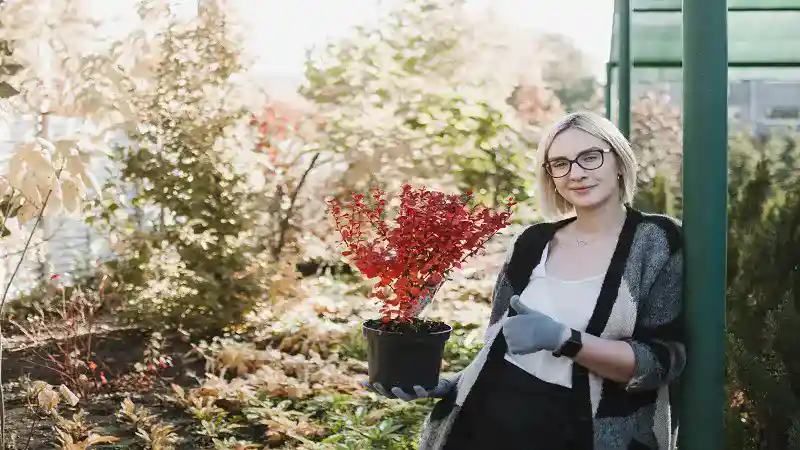
We’ve all done it. You walk into the garden centre, spot a gorgeous cultivar in full bloom, and toss it into the trolley without reading the label. It looked incredible under the fluorescent lights at Homebase. Surely, it’ll look even better in your garden.
Then, reality sets in. That sun-loving Mediterranean shrub you fell for is now sitting in a shaded north-facing bed, looking progressively worse with each passing week. Or that delicate specimen you picked up on impulse turns out to need acidic soil.
The problem is, these aren’t one-off costs. When a plant dies, most people replace it, often with something equally unsuitable, and the cycle continues to drain their budgets year after year.
So, check your soil’s pH before you buy any plant and take note of how much light each part of your garden gets. Also, pay attention to hardiness ratings, because a species that thrives in Cornwall may struggle through a February in Yorkshire.
If you’re not sure what will work, a quick conversation with the staff at your local garden centre can steer you in the right direction.
-
Ignoring Drainage Issues
If water sits on your lawn for hours after it rains, your garden is waving a red flag at you. And given how often it rains in the UK, you can’t afford to ignore the warning signs.
Poor drainage doesn’t always look concerning at first. You may notice a soggy patch here or a bit of standing water there.
But over time, the damage builds up. Waterlogged soil suffocates plant roots, turns lawns patchy, and creates the perfect conditions for moss and fungal diseases.
Even worse, excess water can destroy your hard landscaping elements, shifting your patio slabs, cracking your retaining walls, and rotting your fence posts.
Sorting these problems out early, before you lay a single slab, costs a fraction of the price. Leave them for too long, and you might need to lift paving, dig channels, or install soakaway systems beneath features you’ve just finished building.
How to Avoid Costly Gardening Mistakes
Nobody sets out to waste money on their garden. But when you’re excited to get started, it’s easy to jump straight into a project before you’ve thought everything through. Here’s what you should keep in mind.
Budget Wisely
Costs have a habit of multiplying when you’re not paying attention. You budget for plants and tools, then discover you also need topsoil, drainage gravel, and a weekend’s worth of takeaways because the kitchen is unreachable behind bags of compost.
Labour costs can surprise you too, especially if the project turns out to be more complex than it looked on your initial sketch. To avoid this, set a realistic budget before you start, and then add a cushion of around 15–20%.
Seek Professional Advice
Sometimes, the best thing you can do is have a conversation with someone who does this for a living. A professional landscaper or garden designer can spot drainage issues, soil problems, and layout flaws that would take you months of trial and error to uncover.
You don’t necessarily need a full redesign. Many services that provide landscaping solutions offer one-off consultations. They’ll walk across your garden, flag potential issues, and suggest fixes tailored to your space.
Trust us, that kind of guidance upfront can prevent expensive corrections that may eat into your budget later.
Plan for Long-Term Maintenance
It’s easy to fall in love with a garden design and forget that you have to maintain it every week. That high-maintenance border might look stunning in June, but come October, you’ll be out there in the drizzle, wondering why you didn’t just opt for hardy shrubs.
Before committing to any feature, ask yourself how much time you’re willing to put in. Choose plants, materials, and layouts that match your actual lifestyle, not the fantasy version of it.
After all, it’s better to have a garden you can comfortably keep on top of than one that quickly becomes overwhelming.
Conclusion
Your garden should be a place to relax and enjoy a cup of tea, not a bottomless pit you keep throwing money into.
So, the next time inspiration strikes on a sunny Saturday, take a breath before you reach for your car keys and head to the garden centre. A little bit of planning, a few smart choices, and the occasional honest conversation with a professional can make all the difference.