
Key Takeaways
- House some of the typical indoor allergens that can be identified and controlled as good health practices.
- Regular cleaning, humidity regulation, and air filtration as a method of reducing allergen deposition.
- Seasonal Clean Up: Prepare your home to suit that season, and think about hiring a professional cleaning company to do the heavy cleaning.
Understanding Common Indoor Allergens
The first step to having an allergen-free home is to get to know which pollutants have the biggest probability of existing in your environment. Ordinary causes of indoor air pollution include dust mites, pet dander, mold, and even pollen which sneaks indoors. Homeowners are able to raise the level of their indoor comfort, minimize the symptoms of allergies, and make the living conditions healthier by identifying and eliminating these allergens so that all members of the household can enjoy improved living.
Another factor that must be determined is the act of proactivity in both residential and commercial areas in order to ensure high indoor air quality. Another point that should be considered by businesses is the destinations of grease, dust, and grime, as usually these locations are not thought of, and they are home to some of the most tenacious allergens. Indicatively, in the kitchen and cooking, there can be hidden allergens in the vents, under the equipment, and in the difficult-to-reach places. That is why the quality of the work of professional hood cleaning services in Atlanta, GA is vital to the creation of a safe and allergen-reduced atmosphere, which should be observed by the employees, as well as by any visitors of these areas
Regular Cleaning Practices
A regular cleaning regime, particularly as something you can build up, significantly reduces the prevalent allergens and also maintains a healthy home. The first step is to dust the room regularly using a damp cloth, which is also effective because it allows the dust not to return to the air, allowing to minimize respiratory irritant formation. The dust and dander tends to accumulate on surfaces that are not included into the cleaning process like light fixtures, sills of windows, and tops of cabinets. Solving these spots may be a huge difference in the long term.
Carpets and Rugs A vacuum cleaner with a high-quality HEPA-filter can keep allergens out of the house since it is easy to vacuum them at least once a week; then, the fine allergens, e.g. pollen and dust mites, should be trapped and vacuumed, which will reduce the effects of such allergens. Regularly, mopping should be done on the hard floors with the right cleaning products that are allergy free, which do not emit an unpleasant smell or other chemicals. Cleaning all cleaning surfaces that are likely to accumulate dust like baseboards and ceiling fans avoids the recurrence of dust and dander. These places are deep cleaned to supplement the regular cleaning of the floors by vacuuming and mopping. Washing of the curtains, cushion covers and other soft furnishing should also be noted down, since they store concealed allergens.
Managing Humidity Levels
Mold spores and dust mites, which are the major causes of chronic allergic reactions, thrive in a humid indoor environment. The standard of keeping the humidity in the house at less than half is extensively advised because the higher the humidity the less likely that the humidity will support the undesirable growth. Check humidity level using a hygrometer, and attempt to maintain the same level all year long even during seasons. Install dehumidifiers in places that are likely to be damp like basements, laundry rooms or bathrooms. It is good to always operate exhaust fans when preparing food or taking a shower, so that water is not collected.

When dampness or leakages are sustained, then do so at the earliest time possible in order to avoid occurrence of mold.
Optimizing Ventilation and Air Filtration
Ventilation is important in terms of the removal of allergens and provision of fresh indoor air. Install exhaust fans in the bathroom and the kitchen to create less heat and moisture as well as indoor pollutants that cause indoor allergies. Well-ventilated rooms will also restrict mold growth, as well as dilute indoor pollutants that may cause the symptoms. Keep your windows open, when feasible, when it is not raining, but sweat about the amount of pollen in the air and how much pollution there is in the air.
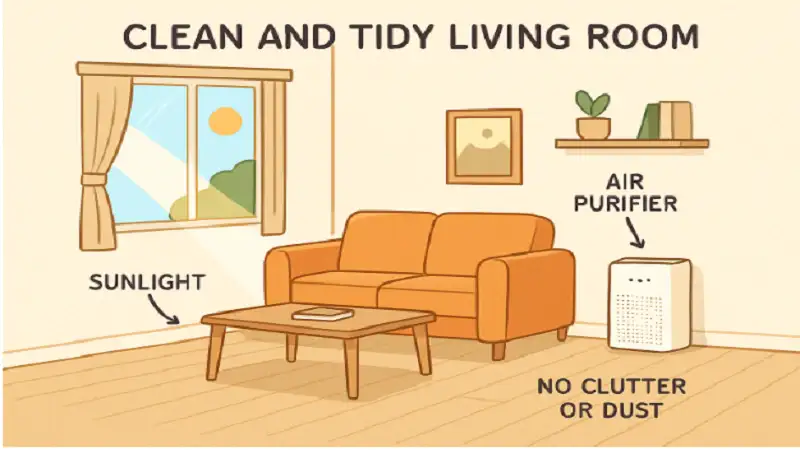
Air purifiers equipped with HEPA filters would be able to collect dust and pet dander as well as some bacteria so that the air in your place of residence would be significantly healthier, and the amount of allergens would also decrease. These new devices come in handy particularly in bedrooms and common places of living. As TechRadar has pointed out, one such purpose that a good air purifier might come in during times of allergy and wildfires, when chances of airborne irritants are on the increase, is investing in one. Also, do not forget to replace filters in order to have your machines run efficiently.
Pet Care and Allergen Management
Pets are dear members of the family however, their dander is a recurrent allergen and is hard to eliminate. Consistent grooming and washing, preferably outdoor, will help to avoid shedding and not to have accumulated allergens on the floor and furniture. Pets can be brushed outside so that loose hair and skin flakes can not stick in your house.
Being restrictive with entry of pets into bedrooms and upholstered furniture reduces the amount of dander domestic animals are exposed to and individuals with sensitivities or asthma. Wash the bedding, toys and blankets of your pet regularly to avoid contamination of the animal allergens in the house. An air purifier may be considered in rooms where your pets spend the most and will be better to vacuum pet-specific rooms than others.
The Bedding and Furnishing Resistant to Allergens
Bedrooms have to be paid special attention to because this is the place where much of your time is spent and being in close contact to textiles that are prone to allergy cannot be avoided. Use dust-mite resistant bedding and pillows, which helps them act as the shield against microscopic pests which are the major cause of allergy reactions. Laundry Wash all bedding using hot water at least once per week because at temperatures over 130degrees, dust mites are killed and their waste removed.
Dust can also accumulate on curtains and other soft furnishings; replace them with lightweight and washable window coverings and easy-cleaning and easy-care fabrics. Heavy furnishings are to be avoided including drapes or bulky carpets to trap allergens and one will be better off substituting it with something less fussy e.g. hardwood or vinyl floors with small machine washable floor mats. The change does not only allow you to deal with allergens but also brings the interior design of your house to the modern level.
Periodically changing older mattresses, pillows, even furniture that has become old, torn and hard to clean can also help lessen your future allergen exposure leading to the ability to sleep or improve your health in the daytime.
Seasonal Considerations
The process of managing allergens is often seasonal and might need various approaches even based on the time of the year. During spring and fall when the pollen count is high, the windows and doors should be shut and air conditioning should be used to clean the air getting in, which makes your home comfortable. Packages and shower immediately on arriving back outside so that the pollen does not move further into your environment and mite on the birth details particularly bedroom furniture and bedding.
Reportedly change HVAC filters on a regular schedule and maintain the system every season to guarantee the efficient elimination of airborne particles and the maintenance of indoor air quality as high as possible all year round. During the winter season manage the humidity since when the windows are closed they may cause moisture to accumulate hence creating an environment where molds thrive in. There might be a need to be extra vigilant against pests in summer or grass and outdoor debris tracking.
Professional Cleaning Services
In the regions that you are unable to cope with because of allergens no matter how hard you work, then you can invest in professional cleaning. Professional cleaning crews possess special machinery that is meant to thoroughly clean the carpets, furnishing, ducts, and other high-traffic locations, which would otherwise be difficult to clean. This will be life changing to individuals who experience severe allergies or breathing disabilities. Business or commercial grade cleaning is particularly critical to larger households or businesses that deal with food preparation in which the accumulated grease and debris may have further allergens and will further lead to lower health standards.
Due to its multiple advantages on the health and wellbeing of all, preserving an allergenic-free household is a commitment that does not happen once, nor does it occur in a single season. With these realistic measures and stepping according to your family needs and the seasons to come, you will have a long way to go in ensuring that your home is a more safe and sensible place to live with your loved ones.