
Table of Contents
- Regular Foot Hygiene
- Choosing the Right Footwear
- Importance of Physical Activity
- Routine Foot Examinations
- Managing Common Foot Conditions
- Nutrition and Hydration
- At What Age to Seek Professional Care
- Conclusion
Foot health will be a crucial element to your mobility, comfort and general wellness, but sadly, people do not focus much on it until things go wrong. Whatever your age, by following considerate care routines, your feet will be made to stay strong and pain-free throughout your lifetime. As a complete guide, we will see some of the simplest and most effective steps that can ensure that you have healthy feet during your childhood to your old age. To those individuals who would like to get professional help or specialized treatment, visiting a podiatrist East Stroudsburg PA might guarantee the individual treatment and effective options, which do not have to be shared by other people.
Foot issues may disrupt normal lives and impact adversely on your overall life quality. Whether one is a growing person, or old-age person, everybody has varied foot challenges. With the help of recommendations described in this guide, you will be able to avoid numerous typical foot problems, treat pains in their early stages, and promote your well-being.
Learning how foot care affects your general health is one of the underlying measures. Foot ache or discomfort may result in altered gait or position, which may result in back, knee, or hip pains. Early detection and management of minor problems helps them to avoid development into more serious and persistent health complications.
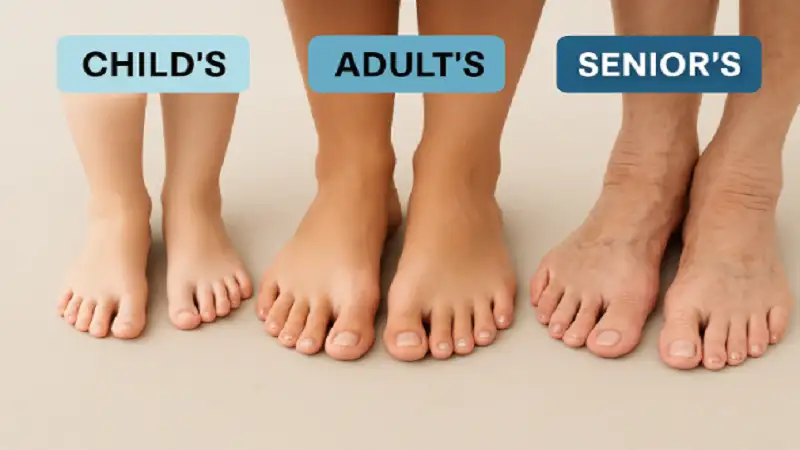
The ageing process may alter the shape, size and functioning of your feet leading to changes in the way you walk and move.
Regular Foot Hygiene
Good foot hygiene is among the easiest methods of ensuring that your feet are not exposed to bacteria, fungi, and skin irritants. Splash your feet in warm water and mild soap each day including between the feet. Wash and dry thoroughly, particularly between the toes, which are some of the hardest to clean but which are most likely to hold water which may cause fungal infection.
Once washed, put in use a good quality moisturizer on the top and bottom of your feet to avoid having a cracksome skin. Even both between the toes, lotion should not be applied because too much moisture makes fungal infection possible. Cut toenails straight and not excessively short so that they will occur as painful ingrown toenails.
Choosing the Right Footwear
Footwear significantly contributes to the well-being of the foot and is likely to contain several typical pains and deformities. The shoes need to have adequate arch support, cushioning and spacious enough toe box that your toes will move appropriately. The change in foot shape and size may occur over the time period and hence make sure that your feet are well measured, particularly when buying a new pair of shoes.
Buy shoes during the afternoon or in the evening when the feet tend to swell in order to get the best fit. Corns, bunions, and other problems can be prevented by avoiding high heels or any shoe with narrow and pointy toes.
Significance of Physical Exercise
Exercising is good to promote healthy blood flow and to build muscle, tendons and ligaments of your feet. Other things such as walking, swimming, yoga, and cycling are also wonderful examples of low-impact exercises to maintain the shape of your feet. Flexibility:Stretching exercises, such as calf stretches, toe lifts and rolling a tennis ball under your foot, are possible to improve your flexibility and keep you at a lower risk of injury.
The exercise of the joints also prevents stiffness and keeps them flexible, a factor that is particularly significant among the population that is more likely to develop arthritis or any other kind of joint aches (older adults). Consult your doctor before trying a new activity especially in the case of new people to exercise or the case of those with any health condition.
Routine Foot Examinations
It is better to examine your feet frequently (at least once a week) in order to detect any issue before difficulties occur. You should check all parts of your feet (in case of any cuts, a redness, swelling, blisters or even changes in shape or color). When having some chronic illness such as diabetes, monitoring on a daily basis is particularly important because even simple problems with the feet can rapidly develop into serious conditions.
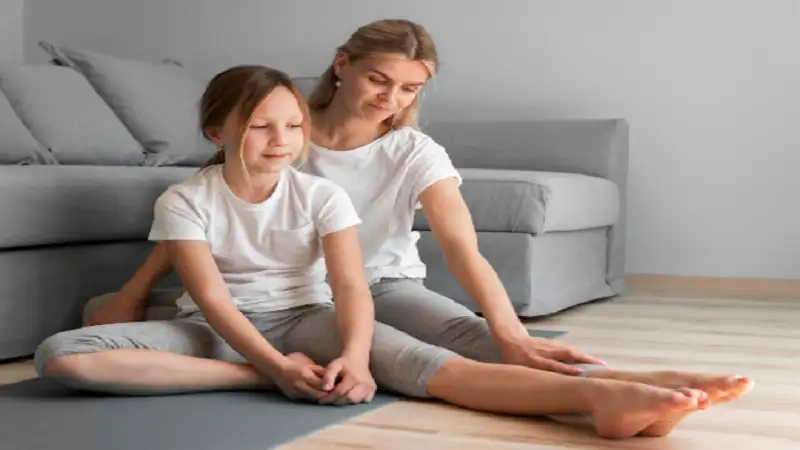
A mirror or help is required in case you find it difficult to look at the bottom of your feet. Such symptoms as numbness, tingling, or non-healing sores should be reported to a healthcare professional as soon as possible.
Managing Common Foot Conditions
The foot issues in different life stages are different. Children are more likely to get flat feet and ingrown toenails, but adults would have to fight with plantar fasciitis, bunions, or heel pains. Soless padding is also not uncommon in older people thus rendering walking uncomfortable. Extra support Add cushioned insoles or gel pads.
Problems such as athlete foot or toenail fungus typically require over-the-counter antifungals but a podiatrist must consider chronic problems or deformities as well as pain. Chronic or severe cases may need individualized therapy which could be in the form of orthotics, physical treatment or even surgery.
Nutrition and Hydration
A balanced diet will also do well to your feet. Vitamins, minerals and particularly anti-inflammatory fatty acids found in foods that are rich in omega-3 fatty acids (salmon and walnuts) help sustain joint and nerve life. Drinking a lot of water will keep your skin plump and prevent your chance of developing cracked heels or calluses.
Calcium and Vitamin D is also used to prevent bone thinning, and this can predispose one to more risk of getting a fracture and falls, particularly with age.
At What Age to Seek Professional Care
Constant pain, the healing process that is not progressing, suddenly swollen, or some other observable deformity must be dealt with by a professional. A small issue might grow larger without early intervention by a podiatrist and leave you in a situation where you cannot do everything and experience pain. Make routine checkups in case you have conditions like diabetes, arthritis or circumstances to do with circulation which could expose you to complications of the foot.
Learning with a specialist not only offers a way of treatment of the existing problems but also teaching on prevention and home care processes to maintain your feet in the long-term.
Conclusion
The pillars of active independent life are healthy feet. Development of good habits, such as good hygiene, proper foot wear, physical activity, regular self examination and a well balanced diet can be a lifetime difference. Constant pain in your feet should not be overlooked but instead treated immediately and through the help of a professional because how we live can be significantly redefined to be much better at any age.