
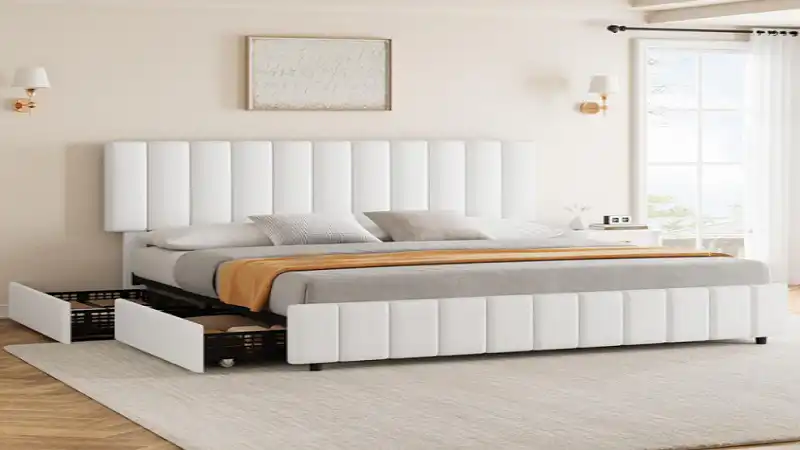
A small bedroom can still feel restful, stylish, and practical when the layout is planned with care. The bed is usually the largest item in the room, so the frame you choose has a direct effect on floor space, storage options, visual balance, and daily comfort. That is why selecting the right bed frame for small bedroom layouts matters more than many people realize.
In compact rooms, every inch counts. A frame that is too bulky can make the room feel crowded, while the right design can open up movement, improve storage, and create a cleaner overall look. The best solution often comes down to proportion, shape, and function rather than simply choosing the smallest bed possible. This guide explains how to evaluate size, style, storage, height, and layout so you can make a smart decision that supports both comfort and efficient use of space.
Why the Bed Frame Matters in a Small Bedroom
In a larger room, furniture placement is more forgiving. In a smaller bedroom, the bed frame sets the tone for everything else. It affects how much walking space remains, whether you can add a nightstand, and how open or cramped the room feels.
A well-chosen frame can help you:
- improve circulation around the bed
- reduce visual clutter
- add hidden storage
- make cleaning easier
- support a more balanced room layout
The wrong frame, however, can do the opposite. Thick side rails, oversized headboards, or heavy footboards may look appealing in a showroom, but in a small bedroom, they often take up more space than expected.
Start With the Room Layout First
Before comparing styles, measure the room carefully. Many people focus only on mattress size, but the full footprint of a bed includes the frame, headboard, and any extra overhang.
Take note of:
- wall-to-wall dimensions
- window placement
- door swing
- closet access
- outlet locations
- radiator or AC placement
- walking clearance around the bed
A comfortable small-bedroom layout usually needs enough room to move around the bed without squeezing past corners. Sketching the room on paper or using painter’s tape on the floor can help you visualize how much space different bed sizes will actually consume.
Choosing a Bed Frame for Small Bedroom Dimensions
The first practical decision is size. A frame should support good sleep without overwhelming the room. In many cases, people improve a small bedroom simply by choosing a frame with a smaller footprint rather than downsizing the mattress dramatically.
Match the Bed Size to the User
A twin or full bed often works well in smaller bedrooms, guest rooms, kids’ rooms, and studios. A queen bed may still fit, but only if the frame design is streamlined. King beds usually require more clearance and can limit furniture placement unless the room is carefully planned.
Think about who will use the room:
- Twin: best for single sleepers, children, and narrow rooms
- Full: a good middle ground for solo adults who want extra sleeping space
- Queen: works for couples or solo sleepers who prioritize comfort, but need a simple frame in tight rooms
The goal is not just to fit a bed into the room. The goal is to keep the room functional after the bed is in place.
Consider the Full Frame Footprint
Two queen beds may hold the same mattress, but their frames can vary a lot in total size. Some include thick upholstered rails or deep headboards that add several inches on each side. In a compact room, those inches matter.
Look for frames with:
- minimal side rails
- No oversized footboard
- slim headboard profiles
- clean edges without bulky trim
A simple silhouette often performs better than a decorative one in limited space.
Best Bed Frame Styles for Small Rooms
Style is not only about appearance. In smaller bedrooms, style also affects how spacious the room feels.
Platform Beds
Platform beds are one of the most practical choices for compact spaces. They usually have a low, simple profile and do not require a box spring. This helps reduce height and visual bulk.
Benefits include:
- streamlined structure
- modern appearance
- fewer layers and accessories
- Often easier to pair with minimalist decor
A platform design can help a room feel wider because it keeps the bed closer to the ground and avoids heavy framing.
Metal Frames
Metal frames are often a smart choice for tight bedrooms because they tend to look lighter than thick wood or upholstered options. Open-frame designs allow more visual breathing room, which can make the room feel less crowded.
They are especially useful when you want:
- a clean and airy look
- easy maintenance
- less visual heaviness
- a simple frame with a small footprint
Storage Beds
Storage beds can be excellent in small bedrooms, especially when closet space is limited. Drawers underneath the bed reduce the need for extra dressers, which can free up valuable floor area.
Still, storage beds work best when:
- Drawer access is not blocked by nearby furniture
- The room has enough side clearance
- The storage replaces another bulky item in the room
If the room is extremely tight, lift-up storage may work better than side drawers.
Daybeds and Multi-Use Frames
For studio apartments, guest rooms, or flexible spaces, daybeds can be useful because they work as both seating and sleeping furniture. This can be especially helpful when the bedroom must serve more than one purpose.
How Compact Bedroom Furniture Supports Better Space Planning
A bed should never be chosen in isolation. The best layouts treat the bed as part of a larger system of compact bedroom furniture rather than a standalone feature.
When everything in the room is scaled properly, the bedroom feels more open and easier to use. Oversized nightstands, wide dressers, and deep benches can make even a well-sized bed feel too large.
To build a better small-room layout, pair the bed with:
- narrow nightstands
- wall-mounted shelves
- slim dressers
- under-bed storage bins
- vertical storage solutions
- mirrors to reflect light and create depth
This approach is often more effective than trying to solve space issues with one item alone.
Keep the Frame Low and Visually Light
Low-profile bed frames are often recommended for small bedrooms because they help the room feel taller and less crowded. High beds with thick headboards can dominate the space, especially if the ceiling is low.
A visually light frame often has:
- open legs
- slim rails
- simple geometry
- minimal ornamentation
If you prefer an upholstered headboard, choose one with a thinner shape and clean lines. Avoid designs that are heavily tufted or overly padded in a tight room.
Storage Considerations for a Small Bedroom
Storage is often the deciding factor when choosing a frame. In a small bedroom, the bed can either consume space or help create it.
Under-Bed Clearance
Frames with open under-bed space offer flexibility. You can slide in bins, baskets, or vacuum storage bags without committing to built-in drawers. This is useful if you want a lighter look but still need practical storage.
This option works well for storing:
- extra bedding
- off-season clothing
- shoes
- travel bags
- hobby supplies
Built-In Drawers
Drawers are convenient, but measure carefully before choosing them. If a bed is close to a wall or dresser, the drawers may not open fully. In that case, the storage becomes more frustrating than useful.
Choose built-in storage only when the room layout supports it.
Headboard Storage
Some frames include shelving or small compartments in the headboard. This can reduce the need for a separate nightstand, which is helpful in narrow rooms. A modest storage headboard may be enough for books, a phone, glasses, or a lamp.
Think About Daily Movement
A bed that technically fits may still be impractical if it interrupts movement. A small bedroom should still allow you to open drawers, make the bed, and move comfortably from door to closet.
Check these everyday use points:
- Can you walk around at least one side comfortably?
- Can closet doors or cabinet doors open fully?
- Can you make the bed without awkward reaching?
- Is there enough room beside the bed for lighting or charging?
A room that feels manageable during daily routines will always feel better than one that looks good only in photos.
Materials, Colors, and Finishes That Work Best
Material and finish also influence how large or small a room feels.
Wood
Wood frames can bring warmth and texture. In a small bedroom, lighter wood tones often feel more open than dark, heavy finishes. Choose simple wood designs without excessive carving or thick trim.
Metal
Metal is often ideal for modern or minimalist rooms. It tends to feel less bulky and can make the room look more breathable.
Upholstered Frames
These can add softness and comfort, but they should be selected with care in a limited space. Slim upholstery works best. Thick padding and oversized wingback headboards usually suit larger rooms better.
Color Choices
Lighter and neutral colors generally reflect more light and help the room feel less enclosed. Black or dark brown can still look elegant, but in a small room they work best when the frame is very simple and the rest of the palette stays balanced.
Common Mistakes to Avoid
Choosing the wrong bed frame often happens because buyers focus on appearance without thinking through room function. Avoid these common mistakes:
- buying a frame before measuring the room
- choosing an oversized headboard for a narrow wall
- ignoring door, closet, and drawer clearance
- selecting built-in storage that cannot open properly
- pairing the bed with furniture that is too deep or too wide
- using heavy, dark finishes in a room with limited light
- filling every empty corner instead of preserving open space
A smaller room benefits from restraint. Leaving some visible floor area often makes the room feel more comfortable than adding extra furniture.
Tips for Styling a Small Bedroom Around the Bed
Once the frame is chosen, the rest of the room should support a clean and efficient layout. Good styling can make even a modest bedroom feel polished.
Helpful styling ideas include:
- Use wall sconces instead of table lamps
- Place a mirror opposite natural light
- Choose bedding in light or calming tones
- Avoid oversized benches at the foot of the bed
- Keep decor focused rather than crowded
- Use vertical art to draw the eye upward
If your goal is a peaceful room, simplicity often works better than over-layering.
How to Know You’ve Chosen the Right Option
The right frame should satisfy more than one need at the same time. It should fit the room, support comfortable sleep, and improve how the space functions day to day.
A strong choice usually feels right because it:
- suits the room’s dimensions
- leaves a practical walking space
- supports your storage needs
- matches your style without dominating the room
- works well with other compact bedroom furniture pieces
When those elements come together, a small bedroom feels intentional rather than limited.
Conclusion
Choosing the right bed frame for small bedroom layouts is less about sacrificing comfort and more about making thoughtful design decisions. The best option will fit the room’s measurements, leave enough space for movement, and support the way you actually live. A simple platform bed, a metal frame, or a storage design can all work well depending on the layout and your storage needs.
The key is to think beyond appearance alone. Consider footprint, height, access, and how the frame interacts with other compact bedroom furniture in the room. When size, function, and style are balanced properly, even a small bedroom can feel calm, practical, and visually open. A smart bed frame choice can turn a tight layout into a space that feels far more comfortable than its square footage suggests.
FAQ
What type of bed is best for a small bedroom?
Platform beds, slim metal frames, and low-profile designs are often best because they take up less visual space and help the room feel more open.
Is a storage bed a good idea in a small bedroom?
Yes, if the layout allows the drawers or lift-up mechanism to work properly. A storage design can reduce the need for extra furniture and make better use of limited space.
How do I choose a bed frame for small bedroom spaces without making the room feel crowded?
Focus on the full footprint, not just mattress size. Look for slim rails, a simple headboard, and enough clearance for walking, storage, and daily movement.
What furniture pairs well with a small bed setup?
Narrow nightstands, floating shelves, wall lights, and other compact bedroom furniture pieces help maintain function without overwhelming the room.
Should a small bedroom have a high or low bed frame?
A low bed frame usually works better because it creates a lighter visual effect and can make the ceiling feel higher. See more