
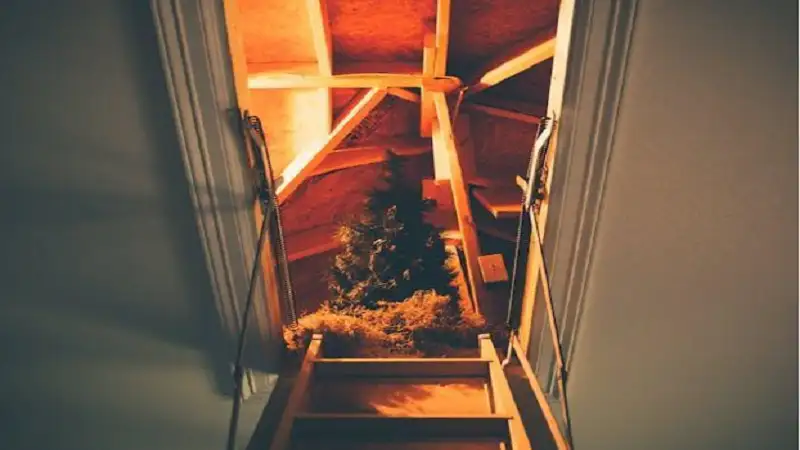
Many homeowners run into problems because of common storage mistakes to avoid in the attic. Heat, moisture, and poor organization often lead to damaged belongings or wasted space. Extreme heat, cold, and humidity don’t just damage stored belongings—they also affect the house itself. In many older homes, the attic is the first place where these issues show up. Unsafe ladders, overcrowded bins, and forgotten items can also make the area hazardous or hurt your home’s resale value. For some, the idea of sorting, repairing, or organizing the attic feels overwhelming. Instead of spending time and money fixing storage mistakes, you can sell your house as-is, which is sometimes the simplest and most effective solution.
Inherited a House? Start with the Attic
If you’ve recently inherited a house, the attic might be packed with items left untouched for years. Sorting through them can feel overwhelming, especially when the space is crowded or neglected. Beyond old furniture or boxes, attics may reveal hidden issues like damaged insulation, roof leaks, or rodent nests. These problems can affect the overall condition of the home and signal the need for repairs.
Taking a close look at the attic gives you a clearer idea of what the property actually requires. That insight helps you decide whether it’s worth investing time and money in cleanup and repairs, or if another approach might make more sense.

Know What Doesn’t Belong in the Attic
Attics are not designed to protect delicate items, and what ends up stored there often says a lot about the home itself. Photographs, electronics, and fragile fabrics rarely survive the constant heat, cold, and moisture changes, and these things you shouldn’t keep in your attic. A better place for these things would be a climate-controlled area or secure storage unit, especially if they have sentimental or financial value.
When you see these kinds of belongings tucked away in an attic, it can be a sign that the house hasn’t been maintained with long-term preservation in mind. Over time, damaged storage not only ruins personal items but also highlights how the property itself has been treated. For anyone evaluating an inherited or older house, the attic becomes a clue: is the home ready for modern upkeep, or does it carry years of overlooked care?
Using the Attic for Long-Term Dumping
Over time, many attics become overfilled with boxes, broken furniture, and forgotten belongings. While it might seem like harmless storage, this buildup often signals a home that hasn’t been consistently cared for. Years of unchecked clutter can hide structural problems, pest activity, or damage that would otherwise be visible.
For families sorting through an inherited or older property, an overstuffed attic can quickly turn into an overwhelming project. Instead of focusing only on what to keep or toss, it’s worth recognizing what the clutter represents: deferred maintenance and additional work ahead.
Ignoring Temperature and Moisture Problems
Warped wood, mold on insulation, or rusted metal fixtures can point to bigger structural concerns. Cardboard boxes or furniture may be ruined, but more importantly, those signs reveal how well (or poorly) the property has been maintained.
If you’re assessing an inherited or long-owned home, pay attention to stains, odors, or damp insulation in the attic. They often indicate roof leaks or ventilation problems that extend beyond storage. Noticing these early helps you decide whether the house needs significant investment or if it’s more practical to pass on repairs and explore other options.
Overloading Floor Joists or Shelves
Attic floors are rarely designed to support heavy weight, and placing too much in one spot can leave lasting damage. Sagging joists, cracked beams, or stressed shelving are not just storage problems—they point to safety risks and potential repair costs. Inherited or long-owned homes often show these issues after years of being used as catch-all storage.
What looks like harmless stacking of boxes may actually weaken the structure beneath your feet. For anyone evaluating a property, noticing stress on attic supports gives useful insight into the home’s overall condition.
Forgetting to Secure Access and Exits
An attic with a broken ladder, narrow entry, or unsafe door isn’t just inconvenient—it’s a clear warning sign about the home’s upkeep. During inspections, buyers often see faulty access as a sign of deferred maintenance elsewhere in the property. Even family members may avoid using the space entirely when it feels unsafe.
In older or inherited homes, outdated attic openings can also highlight how long it has been since any meaningful updates were made. Paying attention to these details gives you a better picture of the home’s overall safety and livability.

One of the Most Costly Mistakes: Storing Items That Can’t Handle the Heat
Attics often reach extreme temperatures in the summer, and the damage isn’t limited to belongings. Melted candles, warped electronics, or ruined photographs can serve as visible reminders of just how hot the space becomes. In older or inherited homes, these signs often point to poor insulation or ventilation—issues that affect the entire property, not just the attic.
Discovering heat damage in stored items is less about salvaging what’s left and more about understanding how well the home has been cared for..
Lack of Airflow Creates Bigger Problems
When an attic lacks proper ventilation, the impact reaches far beyond stored boxes. Trapped heat and moisture can weaken beams, damage insulation, and create the perfect environment for mold. These conditions not only harm the attic but can also spread to the rest of the home, leading to costly structural or health issues. Inherited or older properties often reveal this through musty odors, warped wood, or stained insulation.
Rather than focusing on fixing vents for storage alone, noticing poor airflow gives you insight into how well the home has been maintained. For many, it becomes a deciding factor in whether to invest in major repairs or consider alternatives that avoid ongoing maintenance demands.
Unsafe DIY Storage Solutions
Homemade fixes in the attic—like makeshift shelves or added boards—can do more harm than good. They often damage insulation, wiring, or structural supports, leaving behind hidden problems that surface later. In many older or inherited homes, these quick fixes are a sign that past owners cut corners instead of investing in proper maintenance. What looks like a simple shelf or platform can point to larger questions about the safety and stability of the house.
For buyers or heirs, spotting these improvised changes provides valuable insight into how the property was cared for—and whether the cost of correcting those shortcuts is worth taking on.
Selling Soon? Don’t Skip the Attic
If you want to sell your house, the attic deserves just as much attention as the kitchen or living room. Signs of neglect—like clutter, damaged insulation, or unsafe access—are often red flags that suggest expensive repairs. Some homeowners choose to invest in cleanup and fixes, but that isn’t the only option. Selling a house as-is lets you avoid the cost and effort of attic updates while still moving forward with the sale. For many, this path offers a faster, simpler way to get to closing without months of extra work.

Storage Mistakes to Avoid in the Attic That Can Lower Your Home’s Value
If you’re planning to sell your home, attic storage mistakes may scare off buyers. People look at storage space closely during showings and inspections. Poor insulation, mess, and unsafe stairs will stand out immediately. Buyers see them as future repair costs. That means lower offers or delayed sales. There’s also a proven link between clutter and closing delays, which makes attic organization even more important.
The alternative is to sell the property as-is, without spending time or resources on attic cleanouts or costly updates. Choosing this route allows you to move forward quickly, skip stressful repairs, and avoid buyer objections tied to overlooked storage spaces.
Stay Ahead by Avoiding Common Mistakes
Avoiding attic storage problems saves money, time, and frustration. An attic filled with clutter, damaged items, or unsafe access points can quickly signal larger issues within a home. While careful storage may reduce some risks, the bigger question is whether tackling ongoing maintenance and cleanup is worth the effort. For many owners—especially those preparing to sell or handling an inherited property—the attic becomes a tipping point. You can invest time and money trying to fix every problem, or you can choose the simpler route and sell the house as-is. Moving forward without the burden of attic repairs or cleanouts often saves months of stress and helps you close faster with fewer complications.